Securing a professional pest control service in Cary requires targeted biological analysis rather than indiscriminate chemical spraying across living areas. Homeowners throughout Wake County face aggressive subterranean termite swarms, German cockroach intrusions, and seasonal rodent shifts into crawlspaces and conditioned attics.
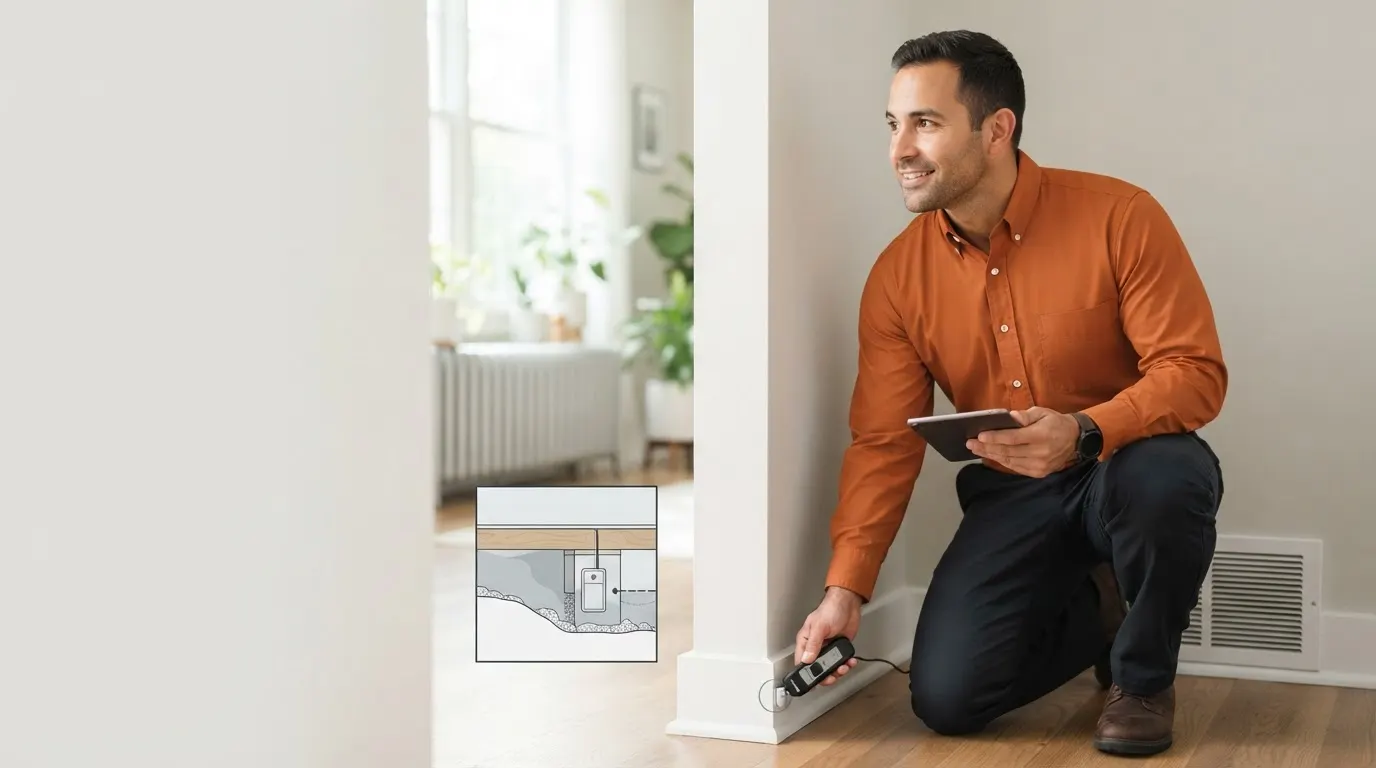
A pest control service in Cary is a specialized structural inspection and biological remediation provider that identifies, contains, and eliminates wood-destroying, pathogenic, and stinging insect or rodent populations from residential framing, crawlspaces, and interior living zones.
Every service reflects the same meticulous attention to detail, whether it's a single job or a larger pest control service project across Cary.
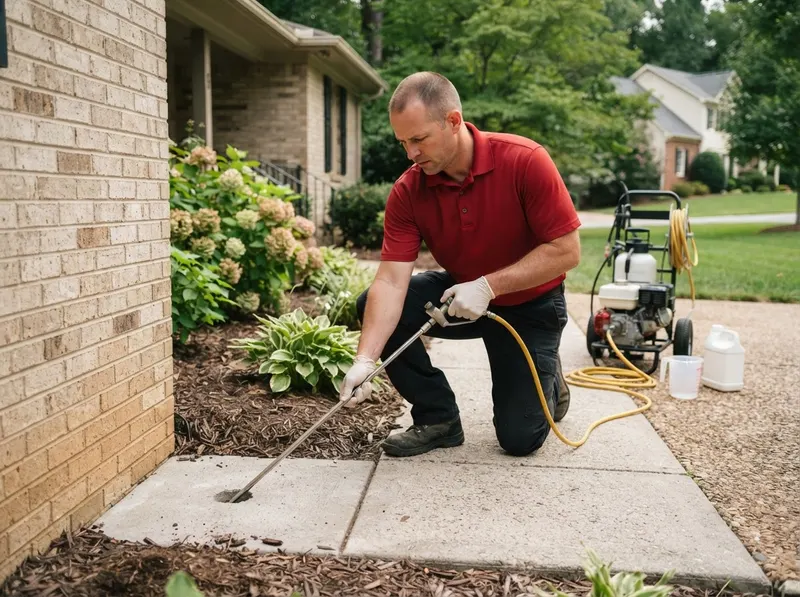
Subterranean termites (Reticulitermes flavipes) cause severe structural compromise to pine framing across Wake County. Technicians perform liquid trenching around foundation stems, execute sub-slab injector treatments, and install targeted monitoring stations to eradicate subterranean colonies before they penetrate crawlspace sill plates or wall studs. Work includes testing wood moisture content with calibrated pin meters to isolate fungal rot conditions that invite primary reproductive queens. Applications inject non-repellent liquid termiticides down to the foundation footer at a rate of 4 gallons per 10 linear feet, establishing an unbreachable protective zone. Technicians inspect support piers, masonry expansion joints, and utility entry penetrations where mud shelter tubes frequently bypass visual detection. This mechanical and chemical perimeter defense stops hidden structural consumption permanently without dispersing airborne aerosols into indoor living spaces.
Get a quote →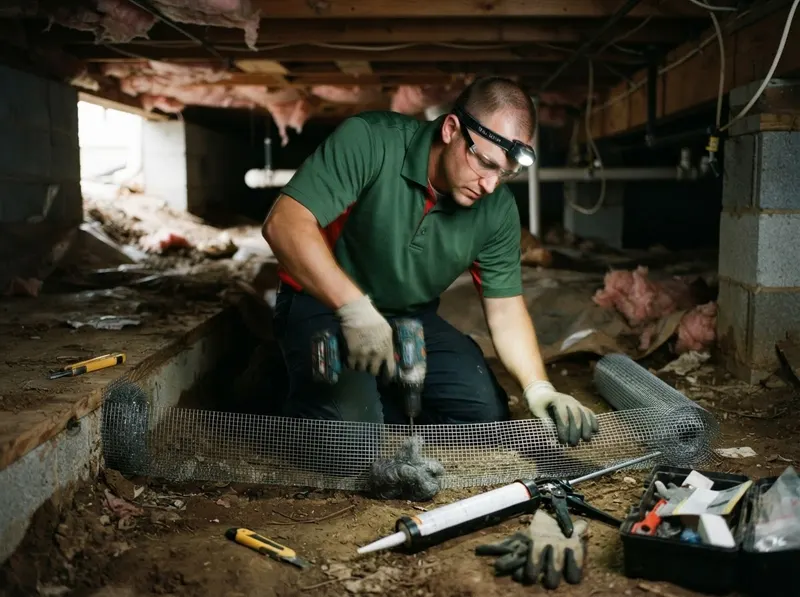
Roof rats and Norway rodents exploit foundation vents, plumbing chases, and roofline gaps to nest within crawlspace vapor barriers and fiberglass subfloor insulation. This service seals entry voids larger than 0.25 inches with heavy-gauge galvanized steel hardware cloth, polyurethane expanding foams, and copper mesh inserts to block future ingress. Technicians extract contaminated fiberglass batts containing rodent droppings, urine trails, and biological pheromone markings that attract neighboring field mice. Following physical exclusion, mechanical capture arrays are installed systematically along foundation sill plates and crawlspace retaining walls to eliminate established populations within 72 hours. Decontamination protocols apply botanical disinfectant mists to neutralize airborne hantavirus and lymphocytic choriomeningitis risks before structural sealing is finalized.
Get a quote →
Severe interior infestations of Blattella germanica center around kitchen cabinetry, dishwasher motor housings, refrigerator heat compressors, and drywall moisture voids. Technicians utilize targeted insect growth regulators (IGRs) combined with low-toxicity abamectin and hydramethylnon micro-gel baits to disrupt reproductive cycles without dispersing airborne aerosols across living spaces. Technicians avoid broadcast chemical spraying, which merely scatters female roaches deeper into structural wall cavities. High-efficiency particulate air (HEPA) vacuum systems physically remove adult aggregation clusters, egg cases (oothecae), and shed exuviae from mechanical recesses behind appliances. Follow-up visits monitor precision bait matrix consumption rates to ensure second-generation nymphs consume lethal doses upon emergence from protective casings.
Get a quote →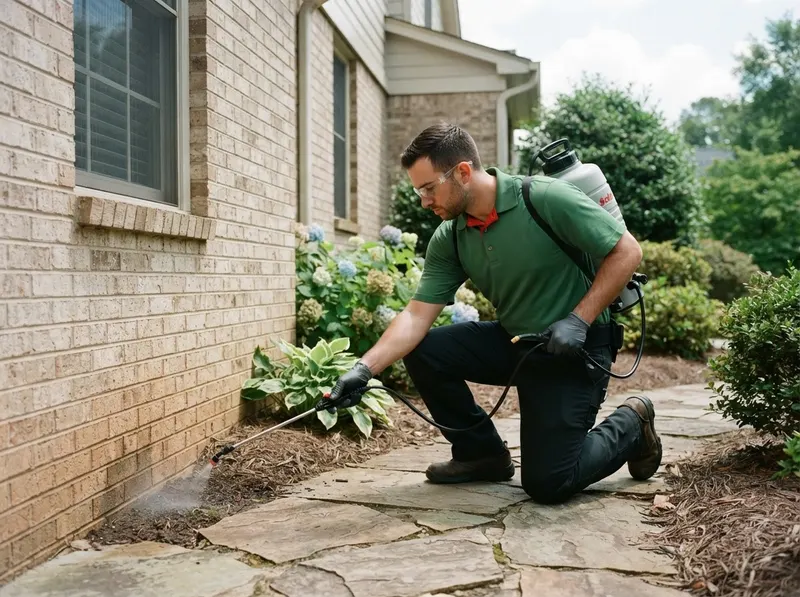
Utilizing microencapsulated synthetic pyrethroids derived from chrysanthemum compounds, technicians create a three-foot vertical and six-foot horizontal liquid shield along exterior foundation walls. This barrier repels migrating field ants, centipedes, smokybrown cockroaches, and ground beetles while remaining stable under North Carolina heat and heavy rain cycles. Foundation weep holes, window wells, exterior spigots, and crawlspace access hatches receive focused micro-dusting treatments with water-resistant inorganic compounds. The treatment repels invading crawling arthropods before they cross exterior thresholds into living areas, eliminating the need for interior liquid chemical applications. Botanical granular formulations are distributed into adjacent ornamental mulch zones to neutralize perimeter pest pressure at the soil level.
Get a quote →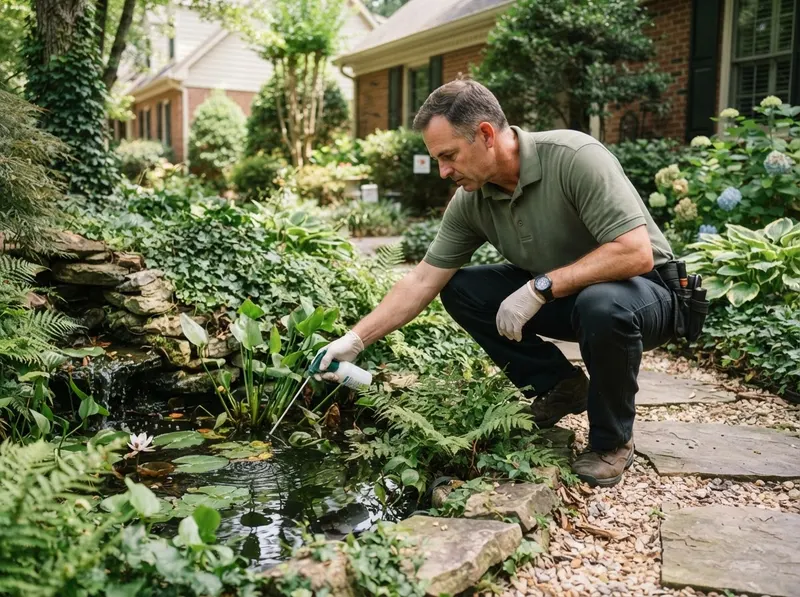
Cary's extensive tree canopy and retention ponds create persistent habitats for the invasive Asian tiger mosquito (Aedes albopictus). Technicians apply targeted biological larvicides containing Bacillus thuringiensis israelensis (BTI) to standing water basins, storm drains, and landscape drainage catch basins to arrest breeding cycles from April through September. Dense ornamental foliage, ivy beds, and shaded shrubbery understories are treated with ultra-low volume (ULV) fine mist applications that bond with leaf undersides where adult mosquitoes harbor during daytime heat. This dual-action protocol eliminates resting adult biting insects upon contact while preventing emerging aquatic larvae from transitioning into biting adults, significantly reducing vector risks around patios and outdoor gathering spaces.
Get a quote →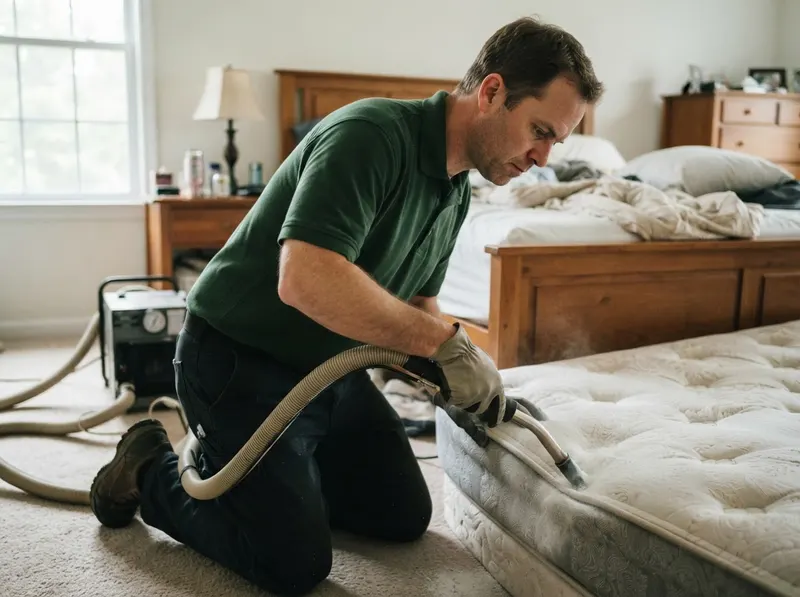
Bed bugs (Cimex lectularius) shelter inside mattress seams, upholstered furniture frames, behind baseboards, and within electrical outlet switch boxes. Eradication combines targeted temperature elevations above 122 degrees Fahrenheit with precision void applications of amorphous silica dust to dehydrate resistant nymphs and adult specimens without relying on synthetic aerosol coatings. Industrial convective heat units circulate superheated air into structural cracks, penetrating deep into mattress cores, box springs, and structural wall framing to eradicate all developmental stages, including heat-sensitive eggs. High-precision desiccant dusts applied inside hollow electrical boxes provide non-toxic, long-lasting residual protection that remains active against re-introduction indefinitely.
Get a quote →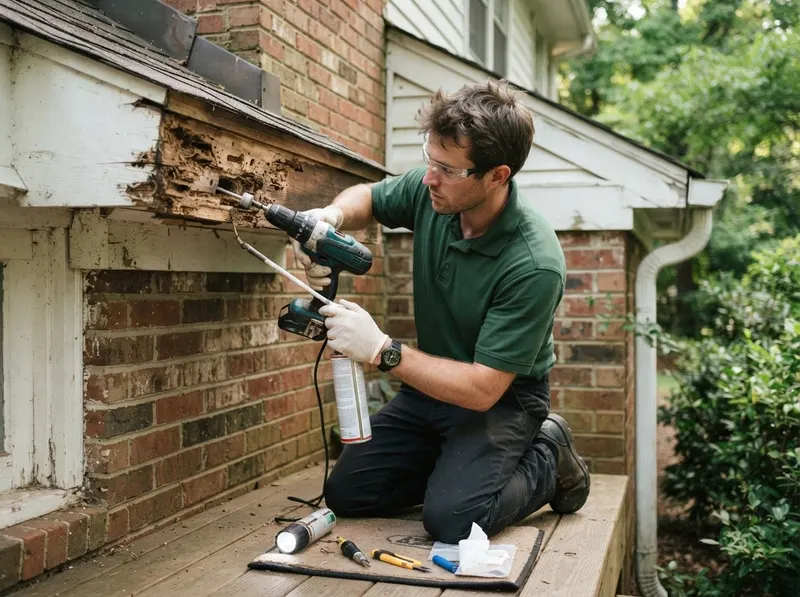
Unlike termites, carpenter ants (Camponotus pennsylvanicus) do not consume cellulose for nutrition; instead, they excavate smooth nesting galleries inside moisture-compromised wood framing, fascia boards, and subflooring to rear brood. Remediation pinpoints exterior satellite nests and introduces non-repellent transfer chemistry that foraging worker ants transport back to the primary reproductive queen concealed inside structural wall cavities. Technicians conduct evening trailing inspections along tree branches contacting rooflines and inspect window framing for fine sawdust frass accumulations. Corrective treatment includes treating wall voids with localized micro-aerosol foams that expand to contact gallery walls, neutralizing primary brood chambers while preserving the structural integrity of existing framing timbers.
Get a quote →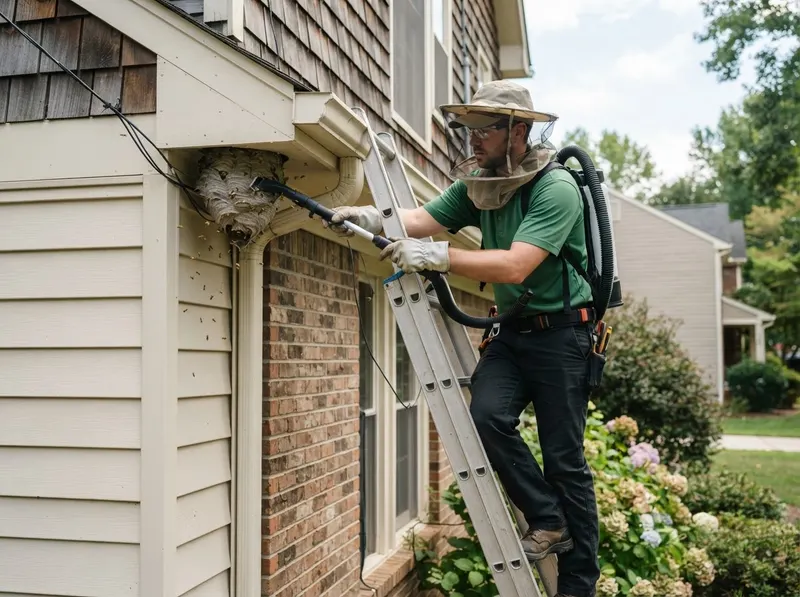
Bald-faced hornets, paper wasps, and yellow jackets construct aggressive aerial and subterranean nests adjacent to soffits, deck joists, and ornamental garden borders across residential properties. Technicians utilize protective pressurized gear and localized freezing agents to neutralize defensive worker colonies before physically extracting the paper nest structures from the structure. Aerial paper wasp colonies nested beneath gutter lines and soffits are scraped and treated with long-lasting residual repellents that deter future queen colonization during spring nest-building periods. Subterranean yellow jacket burrows in lawn turf or ornamental mulch beds receive pressurized non-repellent void injections to eradicate subterranean brood networks safely without damaging surrounding ornamental turf or landscape root systems.
Get a quote →You get a firm, itemized quote for your pest control service before any work begins, no surprises, no pressure.
Careful prep, tidy work, and a full cleanup when we are done. We treat your home and belongings like our own.
The same trusted, background-checked team from the first call to the final check.
Selecting an appropriate pest eradication plan depends strictly on pest taxonomy, colony maturity, and structural access requirements. If an infestation involves localized nuisance pests such as seasonal odorous house ants or incidental spider populations, a targeted exterior barrier treatment combined with crack-and-crevice application fits the situation. If the issue involves wood-destroying subterranean termites or established rodent colonies nesting inside crawlspaces or attic insulation, a multi-phase structural exclusion protocol and pressurized perimeter soil barrier fit the requirement.
The trade-off between targeted single-visit intervention and multi-point barrier remediation centers on initial expense versus long-term perimeter defense: single visits resolve immediate living-area incursions at the minimum $250 threshold, whereas comprehensive perimeter trenching and crawlspace encapsulations require higher capital outlay but prevent subterranean colonies from accessing sill plates, floor joists, and structural wall cavities over multi-year cycles. If structural moisture levels inside crawlspaces exceed 19 percent wood moisture content, applying localized chemical baits alone will fail because fungal decay and damp wood continuously attract subterranean reproductive alates; in these scenarios, mechanical moisture mitigation must accompany chemical termiticide applications. Conversely, dry-habitat pests such as German cockroaches require focused insect growth regulators and metabolic inhibitors applied directly to interior void spaces rather than broad perimeter exterior trenching.
Homeowners seeking immediate living-area relief without long-term structural work benefit most from targeted mechanical vacuuming and targeted micro-gel bait placements. When facing wood-destroying insects where structural safety is uncertain, full perimeter drilling, trenching, and void injection provide the documented physical shield necessary to protect mortgage equity and structural longevity.
Every project gets a firm, written price after a free on-site visit. Ranges below for orientation.
Tell us about your pest control service job and we'll send a clear, written quote, usually the same day. Or just call and talk to a real Cary pro.
(984) 306-0048
Cary's mature hardwood canopies, clay-heavy soils, and proximity to major waterways like Fred G. Metro Bond Park, Lochmere Lake, and Hemlock Bluffs Nature Preserve generate high ambient humidity that accelerates biological pest activity year-round. Neighborhoods like Preston, MacGregor Downs, and Wellsley frequently experience severe subterranean termite pressure where dense hardwood plantings, mature pine canopies, and thick layers of decorative pine straw mulch contact home brick veneers and crawlspace siding. In these established subdivisions, older crawlspace construction often features unsealed foundation vents that draw warm, humid air into subfloor zones, raising wood moisture content past the 19 percent threshold and creating ideal breeding grounds for Reticulitermes flavipes and wood-boring beetles. In newer western master-planned communities like Amberly, Carpenter Village, and Twin Lakes near High House Road and NC-55, massive earth grading and ongoing construction disturb native rodent burrows, field ant colonies, and subterranean yellow jacket nests, forcing them directly toward newly built subflooring, garage door weatherstripping, and conditioned attic insulation. Additionally, municipal retention ponds, stormwater basins near WakeMed Soccer Park, and shaded parklands surrounding Koka Booth Amphitheatre and Downtown Cary Park sustain heavy populations of Asian tiger mosquitoes and smokybrown roaches throughout summer heat waves. Managing pest activity in Cary requires addressing both the mature fungal decay environments of established subdivisions and the aggressive ground displacement pressures found across rapidly growing residential corridors throughout Wake County.
Free estimates for Cary & the surrounding area.
 PestHarbor Pest Control